Sweater Manufacturer
Home /Sweater Manufacturer | Custom Sweater Factory
Professional sweater manufacturer
Hongfeng Clothing is a unique enterprise in the field of sweater manufacturing.
Since its establishment, Hongfeng Clothing has always adhered to a persistent pursuit of quality and a keen insight into fashion. The company has a professional and creative design team that closely follows the trend, perfectly integrating fashion elements with comfortable texture, and carefully creating a unique and charming sweater.
In the production process, Hongfeng Clothing is equipped with advanced production equipment and a skilled production team. Starting from selecting high-quality yarn materials, through strict weaving, sewing and other multiple processes, every sweater is ensured to have excellent quality. Whether it is delicate and soft wool material or skin friendly and comfortable cotton blend, Hongfeng Clothing can accurately grasp the material characteristics, bringing consumers a warm and comfortable wearing experience.
Not only does Hongfeng Clothing focus on product quality, but it is also committed to providing high-quality customer service. The company is customer-oriented, actively communicates and cooperates with customers, continuously optimizes product design and production processes to meet the personalized needs of different customers.
With exquisite craftsmanship, fashionable design, and high-quality service, Hongfeng Clothing stands out in the sweater manufacturing industry. Whether bringing warmth to people on cold winter days or showcasing unique charm on the fashion stage, Hongfeng Clothing is constantly striving to become a trusted sweater manufacturing expert for consumers.
Contact Us →


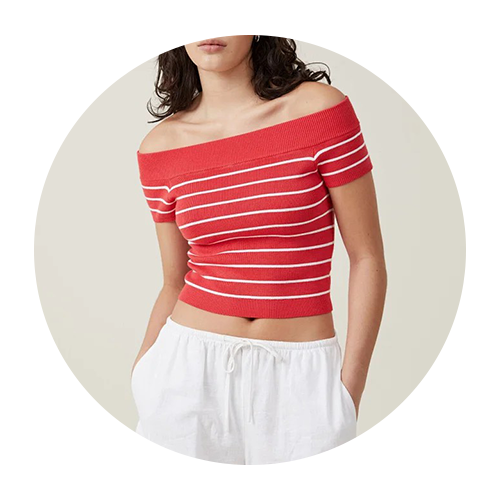


Request A Quote For More Details
We are happy to answer any questions you may have about our products and company
Knitted clothing: a perfect fusion of fashion and comfort
Knitted clothing is made of fabric formed by interlocking loops. This unique technique endows knitted fabrics with many advantages.
Diverse materials:
Cotton: Soft and skin friendly, with good moisture absorption, breathable and comfortable, suitable for daily wear. Especially in warm seasons, cotton knitted clothing can keep the skin dry and comfortable.
Wool: With excellent insulation performance, it is an ideal choice for autumn and winter seasons. Wool knitting is soft and elastic, which can effectively block cold air.
Cashmere:Known as the "soft gold", cashmere knitting is extremely delicate and soft, with strong warmth retention and luxurious texture.
Blended: Mixing different materials such as cotton with polyester fibers, wool with acrylic fibers, etc. Blended knitting combines the advantages of various fibers, with good performance and easy maintenance.
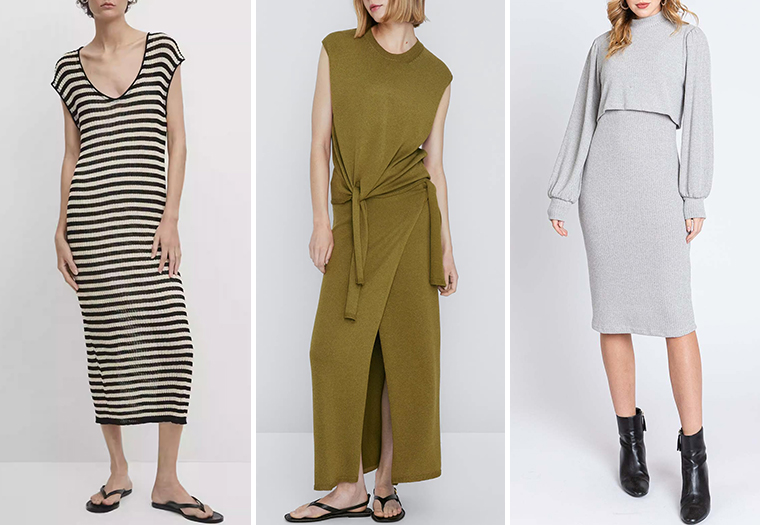

Exquisite workmanship:
Jacquard Craftsmanship:Jacquard knitting is the process of changing the color or thickness of yarn during the weaving process to form various patterns and designs. Jacquard technology can make knitted clothes more beautiful and artistic, while also increasing the added value of clothing.
Jacquard knitting can be divided into single-sided jacquard and double-sided jacquard. Single sided jacquard has only one side with a pattern and the other side is a solid color; Double sided jacquard has patterns on both sides, making it more exquisite.
Hollow out technique:Hollow knitting is intentionally leaving some gaps during the weaving process to create a breathable effect. Hollow out technology can make knitted clothes lighter and more fashionable, suitable for wearing in summer or warm seasons.
Hollow out technology can be achieved through different weaving methods, such as picking flowers, twisting flowers, etc. These weaving methods can create various hollow patterns, increasing the aesthetic appeal of clothing.
Some high-end knitted clothes are also hand woven, with finer craftsmanship, and each piece can be considered a work of art.
Lnnovation and Development of Knitting Technology
Computerized flat knitting machine:
With the development of technology, computerized flat knitting technology is becoming increasingly mature. Computerized flat knitting machines can achieve various complex weaving patterns and designs through programming, greatly improving production efficiency and product quality. Computerized flat knitting can also achieve personalized customization, designing and producing unique knitted clothes according to customer needs.
3D printing knitting:
3D printing technology has also begun to be applied to the production of knitted clothing. 3D printing knitting can achieve more complex structures and shapes, providing designers with more creative space. 3D printed knitting can also use environmentally friendly materials to reduce its impact on the environment.
Knitted clothing has a rich and colorful craftsmanship, constantly innovating and developing. From traditional weft knitting and warp knitting techniques, to special jacquard and hollow knitting techniques, to modern computerized flat knitting and 3D printing knitting, each technique embodies the exquisite skills and innovative spirit of knitting craftsmen. These techniques not only make knitted clothes more beautiful, comfortable, and practical, but also inject new vitality into the development of the fashion industry.
Sweater knitting process flow
The knitting process of sweaters: the interweaving of warmth and craftsmanship
Weaving tools-Stick needle
Needle is one of the most important tools for knitting sweaters. There are different thickness specifications for weaving sweaters of different thicknesses. Thicker needles are suitable for weaving loose and thick sweaters, while thinner needles are suitable for weaving delicate and refined styles.
Weaving tools-crochet hook
Crochet hooks are mainly used to crochet the edges, decorations, and other parts of sweaters. It can create various exquisite lace and patterns, adding unique charm to sweaters. There are also different models of crochet hooks, choose the appropriate one according to the thickness of the yarn and the desired pattern effect.
The weaving methods include flat needle weaving, ribbed weaving, jacquard weaving, and hollow weaving.
1.Design and Planning
Before starting to knit sweaters, it is necessary to design and plan first. Determine the style, size, color, and other elements of the sweater, and choose suitable yarn and knitting tools.
Inspiration can be obtained through sketching, referencing fashion magazines, or online weaving tutorials.
2.Start the needle
Stitching is the first step in knitting sweaters. Determine the number of stitches based on the size and weaving method of the sweater. You can use a needle or crochet hook to start the needle. When starting the needle, pay attention to the uniformity and neatness of the needle technique to ensure that the edges of the sweater are flat.
3.Weaving Body
After the stitches are completed, start weaving the main part of the sweater. Weave line by line according to the designed style and weaving method.
During the weaving process, it is important to pay attention to the correct and even stitching to avoid issues such as missing or incorrect stitches. At the same time, it is necessary to perform timely operations such as adding and reducing needles as needed to adjust the size and shape of the sweater.
4.Weave collar, cuffs, and hem
After the main body of the sweater is woven, the collar, cuffs, and hem are woven. These areas are usually woven with ribbed or other elastic stitches to ensure comfortable wearing.
When weaving the collar, cuffs, and hem, pay attention to the appropriate size and even stitching to ensure a natural fit with the main body of the sweater.
5.Stitching and tidying
After the various parts of the sweater are woven, they need to be sewn and organized. Sew the front, back, sleeves, and other parts of the sweater together, paying attention to the neat and beautiful stitching.
After the stitching is completed, organize and trim it. Remove excess thread ends and iron the sweater to make it smoother and more aesthetically pleasing.
In short, the knitting process of sweaters is an art full of charm and creativity. By using different weaving tools, methods, and processes, various styles of sweaters can be made that are aesthetically pleasing and practical. Whether as daily wear or as a gift for family and friends, handmade sweaters contain warmth and love.

Why Choose Hongfeng Clothing ?

Flexible MOQs
Tailor your inventory to market
demands with our adaptable MOos,
perfect for businesses of any size and
project scope.

Rapid Turnaround
Our proficiency ensures rapid turnaround, For fast fashion brands, our sample production takes only 3-5 days, and bulk production takes only
15-30 days.

Competitive Pricing
We deliver exceptional quality clothing at competitive prices, listing detailed costs for each part in the quotation sheet to ensure value for every dollar spent.

Tailored OEM/ODM
Services
Leverage our 13 years of expertise for customized OEM/ODM solutions, crafted by a dedicated 20-member design team to perfectly align with your brand vision.

Exceptional
Customer Service
At Hongfeng Clothing, expect fast,
Personalized response to all queries;
Ensure a seamless experience from
here From design to delivery.

Uncompromised
Quality Assurance
Quality is our tradition. With rigorous
processes paralleling top brands,
we deliver unwavering quality assurance
for every piece
Various clothing styles made of knitted fabrics
Knitted fabrics have the characteristics of softness, comfort, and good elasticity, and are widely used in various clothing
styles. Here are some common styles of knitted fabric clothing:

Pullover
Hooded sweaters are usually made of thicker knitted fabrics, which can effectively block cold air and provide warmth to the body. There are various types of collars, such as high neck, round neck, V-neck, etc., which can meet the preferences and needs of different people. There are also multiple options for length, including short, medium, and long styles, which can be paired with different bottoms to showcase different styles.
Cardigan sweater
Cardigans and sweaters can be worn as outerwear, adding warmth to you during spring and autumn seasons. It can also be used as a shawl indoors, which is both beautiful and comfortable. It is very easy to put on and take off, suitable for temperature changes in different occasions. For example, it can be easily removed when feeling hot indoors, and can be put on in a timely manner when the outdoor temperature is low.
Knitted shirt
Knitted shirts come in a wide variety of styles to meet the needs and preferences of different people. There are classic solid color styles that are simple and elegant, suitable for various occasions; There are also printed, striped, checkered and other pattern styles that add a sense of fashion and personal charm. Whether in daily life or formal occasions, knitted shirts can bring you a comfortable and fashionable wearing experience.
Knitted Hoodie
Knitted hoodies are fashionable and comfortable clothing items, with a hooded design that adds a casual and dynamic touch, making them suitable for various occasions. It can be paired with different bottoms such as jeans, sports pants, and short skirts to showcase different styles. Knitted fabrics with good elasticity make hoodies comfortable to wear and move freely, suitable for various sports and leisure activities.
Knitted vest
Knitted vest is a sleeveless top made of knitted fabric. With its diverse materials, styles, and rich possibilities for matching, it is deeply loved by people. Can be used as an inner layer to increase warmth, both fashionable and warm in autumn and winter seasons. It can be worn alone in spring and summer, paired with different bottoms such as jeans, short skirts, wide leg pants, etc., to showcase a variety of styles.
Knitted sling
Knitted camisole is a sleeveless top made of knitted fabric. There are different styles for collar, shoulder straps, and length. Whether worn alone or as an interior accessory, it is a fashionable and practical clothing item. With its diverse materials, styles, and rich combinations, it has become a must-have for fashion enthusiasts.
Knitted short sleeves
Knitted short sleeved shirt is a type of top made using knitting technology, characterized by short sleeved sleeves. The knitting process gives clothing a certain degree of elasticity and softness, making it more comfortable to wear and fit the body. Knitted short sleeves are a fashionable and comfortable clothing item suitable for various occasions, showcasing different styles and personalities through different combinations.
Knitted vest
Knitted vest is a sleeveless top made using knitting techniques. Sleeveless design: This is the most prominent feature of knitted vests, exposing the arms to increase breathability and coolness, while also making it easy to match with other clothing. Knitted vest is a practical and fashionable clothing item that is suitable for different seasons and occasions. Through different combinations, it can showcase various styles
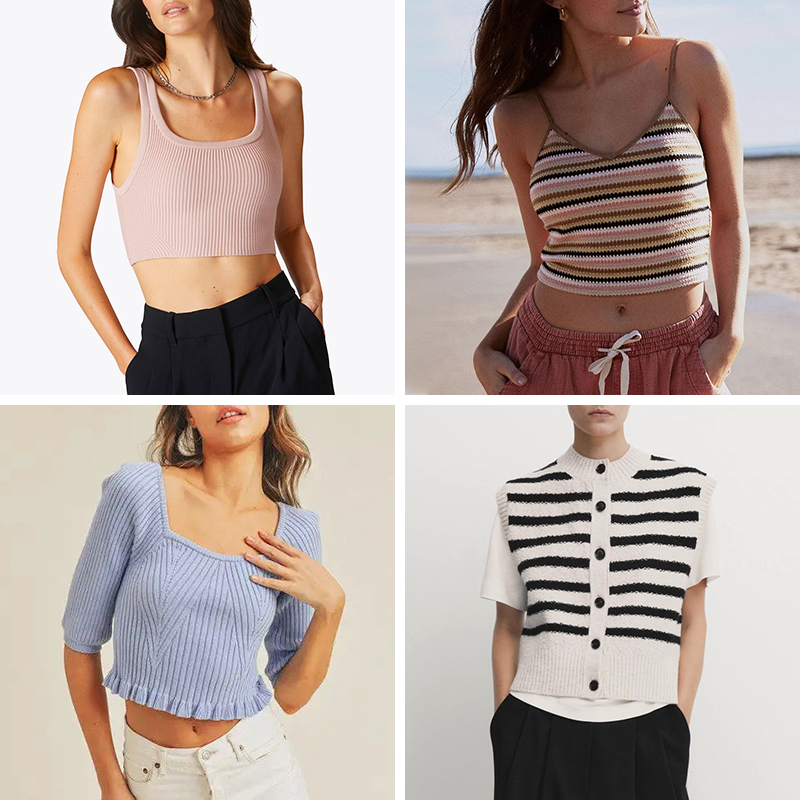

Sweater
Knitted sweater is a type of top made using knitting techniques. There are various collar types such as round neck, V-neck, high neck, and lapel, which are suitable for different face shapes and occasions. Sleeve lengths are divided into long sleeves, seven quarter sleeves, five quarter sleeves, short sleeves, etc. You can choose knitwear with different sleeve lengths according to the season and personal preferences. There are short, medium, and long lengths available, which can showcase different styles and personalities.
Shawl sweater
Shaped like a shawl, usually wider than a regular sweater, with a shawl like shape that can be easily draped over the shoulders or wrapped around the body. This design not only adds a sense of fashion, but also provides additional warmth. A shawl sweater is a very practical and fashionable clothing item.
Knitted skirt
Knitted skirt is a lower garment made of knitted fabric, usually above or below the knee, covering part or all of the legs. Knitted fabrics have the characteristics of softness, good elasticity, and excellent warmth retention, making them very comfortable to wear. Knitted skirts are suitable for various occasions, including daily wear, formal occasions, and special events.
Knitted pants
Knitted pants are pants made of knitted fabrics. Excellent warmth retention, soft texture, and very comfortable to wear. There are various styles available, such as straight tube, wide leg, and small foot. The length includes pants, cropped pants, cropped pants, etc. There are multiple options for colors and patterns, including solid colors, stripes, grids, prints, and more. Knitted pants are a very practical and fashionable clothing item.
Sweater fabric type
Choosing the right sweater fabric for oneself requires comprehensive consideration of multiple factors such as season, skin type, wearing occasion,
personal preferences, budget, body characteristics, difficulty of care, and fashion trends. By carefully weighing these factors, you can find a
sweater that is both comfortable and stylish, meets your needs, and showcases your personal charm.
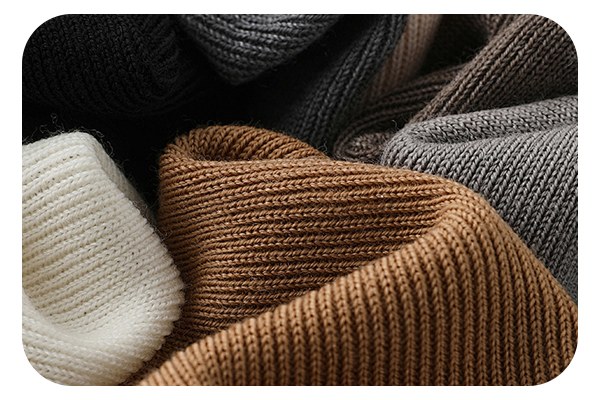
Wool fabric
- Features:Excellent warmth retention, wool fibers can effectively block cold air and keep the body warm. Soft and comfortable, with a natural and soft color, and a noble texture.
- Applicable scenarios: Suitable for wearing in cold winter, can
be used to make various styles of sweaters, such as pullover sweaters, cardigans, etc.

Cashmere fabric
- Features: Known as the "soft gold", the fibers are extremely fine and soft, and the insulation performance is
several times that of wool. The color is warm and gives
people a luxurious feeling.
- Applicable scenarios: Suitable for wearing in cold seasons, especially for formal occasions or special events. Can produce high-end sweaters, scarves, etc.

Mohair fabric
- Features: The fiber surface is smooth, the scales are flat and wide, closely attached to the hair shaft with little overlap, which makes the appearance of mohair similar to sheep hair, but with a higher texture.
- Applicable scenarios: Mohair can be used to make various styles of knitwear, such as sweaters, cardigans, etc. The soft touch and unique luster add a sense of fashion and comfort.
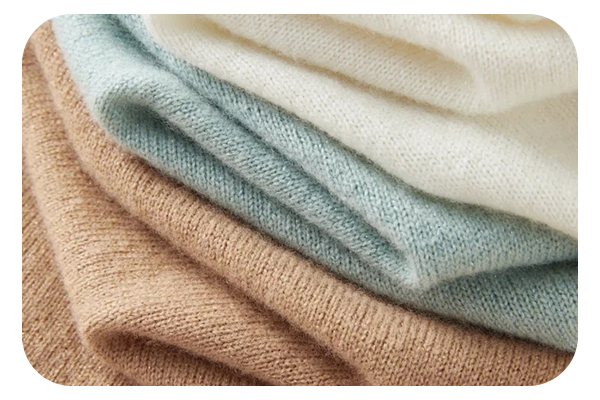
Cotton fabric
- Features: Strong moisture absorption, soft and comfortable, non irritating to the skin. Good breathability, wearing it will not feel stuffy.
- Applicable scenarios: Suitable for wearing in spring and autumn seasons, can be made into thin sweaters or knitwear.

Acrylic Fabric
-Features: Has characteristics similar to wool, soft, warm, and inexpensive. Vibrant colors, not easily faded, and diverse styles. Good wear resistance and easy maintenance.
- Applicable scenarios: Suitable for people who pursue fashion and value cost-effectiveness. We can produce various fashionable sweater styles, such as printed sweaters, spliced sweaters, etc.

blended fabric
-Features: Wool and cashmere blend, wool and cotton blend, acrylic and cotton blend, mohair and wool blend, etc.
The blended fabric has bright colors, is not easy to fade, and has a variety of styles.
- Applicable scenarios: Suitable for those who pursue fashion and value cost-effectiveness.
We can produce various fashionable sweater styles, such as printed sweaters, spliced sweaters, etc.
The process of Dress Manufacturing Process
It is well-known that inquiries regarding the design and production of various types of clothing can be extensive. Addressing these effectively requires
focusing on more specific questions or topics.
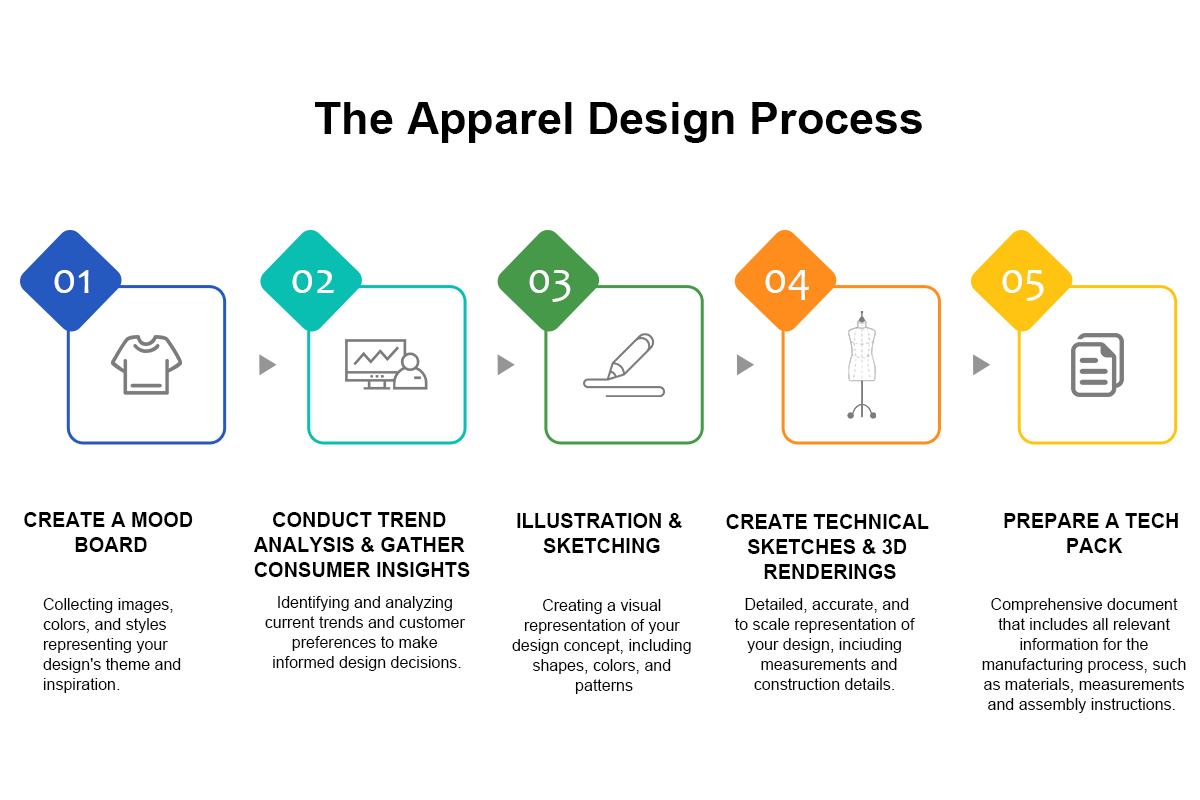
Design Phase
Concept Development
Collaborate with clients to establish the design concept, focusing on trends and target audience.
Fabric and Color Selection
Select appropriate fabrics and colors that enhance the design and align with the brand.
Branding and Customization
Integrate brand elements and finalize packaging to boost market appeal.
Pattern Design
Develop accurate patterns as blueprints for the dress, ensuring proper fit and style.
Tech Pack Creation
Prepare a concise tech pack with all technical specifications for seamless production.
This streamlined approach ensures that every garment is crafted with precision, fully prepared for the next stage of production.
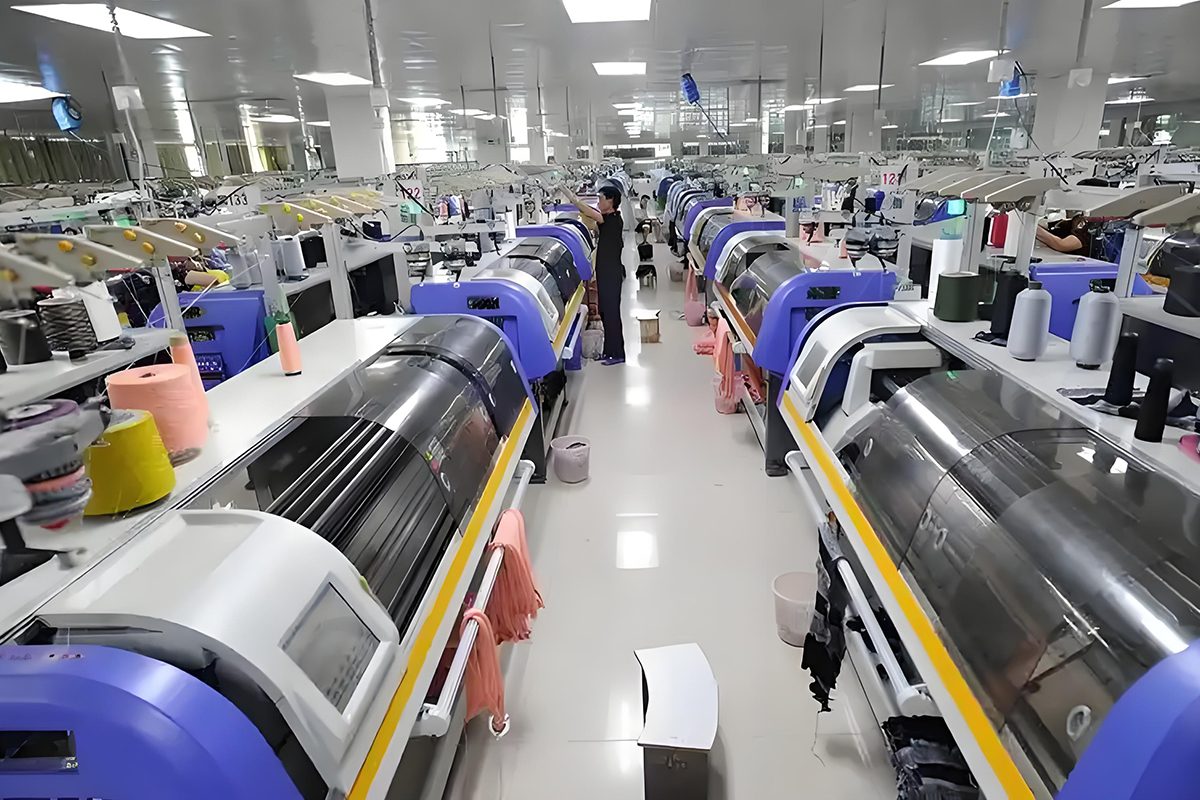
Production Phase
Lead Times
We establish clear timelines for samples and bulk production, tailored to the design's complexity and order size.
Printing and Embroidery
Fabric customization, including printing or embroidery, is carried out using techniques like screen printing or digital printing.
Assembly and Sewing
The cut pieces are expertly sewn together, bringing the garment to life.
Fabric Preparation
Fabrics are selected, inspected for quality, and prepared for cutting and sewing. Cutting
Fabric is precisely cut according to patterns, ensuring accuracy in the final product.
This organized approach ensures efficient production while maintaining the highest standards of quality.

Quality Inspection & Packaging Phase
Quality Control
Each garment is meticulously inspected at various stages of production to ensure it meets the required standards for materials, workmanship, and overall quality.
Organizing and Inspection
After washing, garments are organized and undergo a final quality inspection to check for any defects before packaging.
Packaging
Garments are carefully folded, packed, and labeled, then placed into custom logoed boxes for shipping, ensuring they arrive in perfect condition.
Washing
Garments are washed to remove any residues and ensure they are clean and ready for the next steps.
Labeling and Branding
Care labels, size tags, and brand logos are applied to each garment, ensuring consistency in brand identity and compliance with industry standards.
This comprehensive approach ensures that every garment is impeccably finished and ready to meet customer expectations.

Shipping Stage
Shipping Incoterms
We work with standard international trade terms like FOB, CIF, DDP, EXW, FCA, and DAPto clearly define responsibilities and risks between buyers and sellers.
Air Freight
The fastest shipping method, taking 2-5 days to your destination airport. It is cost-effective for shipments over 500 kg.
Final Delivery
Once the goods arrive at the destination port or airport, we coordinate with local logistics providers to ensure timely delivery to your specified location.
Sea Freight
The most economical shipping method, taking 15-40 days to reach your destination port from China. We select LCL or FCL based on the volume of your goods.
Railway Freight
Ideal for countries along the New Eurasian Land Bridge, this option is faster than sea freight and more affordable than air freight, with the flexibility of FCL or LCL.
This comprehensive shipping approach guarantees that your goods arrive safely and on schedule, no matter where they're headed.
Quality Inspection & Packaging Phase
Quality Control
Each garment is meticulously inspected at various stages of production to ensure it meets the required standards for materials, workmanship, and overall quality.
Organizing and Inspection
After washing, garments are organized and undergo a final quality inspection to check for any defects before packaging.
Packaging
Garments are carefully folded, packed, and labeled, then placed into custom logoed boxes for shipping, ensuring they arrive in perfect condition.
Washing
Garments are washed to remove any residues and ensure they are clean and ready for the next steps.
Labeling and Branding
Care labels, size tags, and brand logos are applied to each garment, ensuring consistency in brand identity and compliance with industry standards.
This comprehensive approach ensures that every garment is impeccably finished and ready to meet customer expectations.
Shipping Stage
Shipping Incoterms
We work with standard international trade terms like FOB, CIF, DDP, EXW, FCA, and DAPto clearly define responsibilities and risks between buyers and sellers.
Air Freight
The fastest shipping method, taking 2-5 days to your destination airport. It is cost-effective for shipments over 500 kg.
Final Delivery
Once the goods arrive at the destination port or airport, we coordinate with local logistics providers to ensure timely delivery to your specified location.
Sea Freight
The most economical shipping method, taking 15-40 days to reach your destination port from China. We select LCL or FCL based on the volume of your goods.
Railway Freight
Ideal for countries along the New Eurasian Land Bridge, this option is faster than sea freight and more affordable than air freight, with the flexibility of FCL or LCL.
This comprehensive shipping approach guarantees that your goods arrive safely and on schedule, no matter where they're headed.
Environmental Protection And Sustainability
We believe that fashion should not come at the expense of the planet, and we are dedicated to implementing eco-friendly practices throughout our production.

Eco-Friendly Materials
Organic and Sustainable Fabrics: We use organic cotton, bamboo, and other sustainable textiles that are cultivated without harmful pesticides and chemicals, ensuring that our dresses are gentle on the environment and safe for consumers.
Recycled Materials: We incorporate recycled polyester and other recycled fibers into our products, reducing waste and promoting a circular economy in the fashion industry.
Low-Impact Dyes: Our dyes are selected for their minimal environmental impact, ensuring that the coloring process is as eco-friendly as possible while maintaining the vibrant and rich colors that define our women's fashion lines.
Sustainable Sourcing: We prioritize sourcing materials from suppliers who are certified for their sustainable practices, ensuring that every component of our dresses meets stringent environmental standards.
Green Manufacturing
Green Manufacturing Energy-Efficient Production:We employ state-of-the-art machinery designed to reduce energy consumption during the manufacturing process, helping to lower our carbon footprint.
Waste Minimization:Our cutting and production processes are optimized to minimize fabric waste, and any scraps are recycled or repurposed whenever possible.
Water Conservation:We use advanced water treatment and recycling systems in our dyeing and washing processes to reduce water usage and prevent contamination of local water sources.
Ethical Labor Practices:In addition to environmental sustainability, we ensure that all our production practices adhere to ethical labor standards, providing safe working conditions and fair wages for all workers involved in the manufacturing of our women's fashion products.

READY TO START
The best clothing manufacturer that produces higher standards and moredurability
Frequently Asked Questions
Here are some of the most common questions we receive about our T-shirt manufacturing process, providing insights into our methods, materials, and customization options.
Where is your factory located?
Our factory is located in Guangdong, China, equipped with state-of-the-art production facilities and extensive experience in manufacturing women'stops.
Do you offer global shipping?
Yes, we provide global shipping services, delivering products to customers around the world.
What is your production lead time?
What is the minimum order quantity (MOQ)?
Do you offer custom design services?
What types of fabrics do you use?
What is your production process like?
Can you handle large volume orders?
How do you ensure product quality?
How can we contact you?
Have More Questions?
We are happy to answer any questions you may have about our products and company.
CERTIFICATIONS
MODAKNITS Repsects Quality Standards