Since 2011,Hongfeng Clothing has been one of the best hoodie manufacturers & suppliers in China.
As a Chinese hoodie factory with over 13 years of Sedex certification, we offer hoodies in various materials such as polyester, nylon, coton spandex (or lycra), flannel,
knitwear, bambo linen, flece, modal, and rayon. In addition, we provide custom hoodie services tailored to your requirements. Please contact us for more information or to
request our complete product catalog.
With 13 years of expertise. Hongfeng Clothing, located in Guangdong, China, excels in producing quality apparel,including hoodies, known for their craftsmanship and inovation.
As a leader in the fashion industry, Hongfeng Clothing combines tradition with modernity in its designs.
Originating in the 1930s in the US for warehouse workers, the hoodie has become a symbol of versatility in fashion, embodying youth culture and streetwear. Hongfeng Clothing adapts this heritage by offering hoodies that blend classic comfort with contemporary style and sustainability, appealing to today's eco-conscious consumers.
Get Started →


Request A Quote For More Details
We are happy to answer any questions you may have about our products and company
All You Need To Know About Hoodie
The hoodie is crafted for comfort and utility, featuring a soft fabric blend, an adjustable hood for protection, and a front pocket for essentials. Its design offers ease for daily wear, blending seamlessly into casual and active settings. Its construction ensures versatility and durability, making the hoodie a staple for its long-lasting wear and ease of customization. The relaxed fit and practical features provide both style and function, appealing to a wide audience. This article provides you with everything you need to know about hoodies. What you'll learn includes the uses of hoodies, its parts, the design principles behind how it's made, and the different styles of hoodies. In the later end, you can check the difference between the hoodie and the sweatshirt.
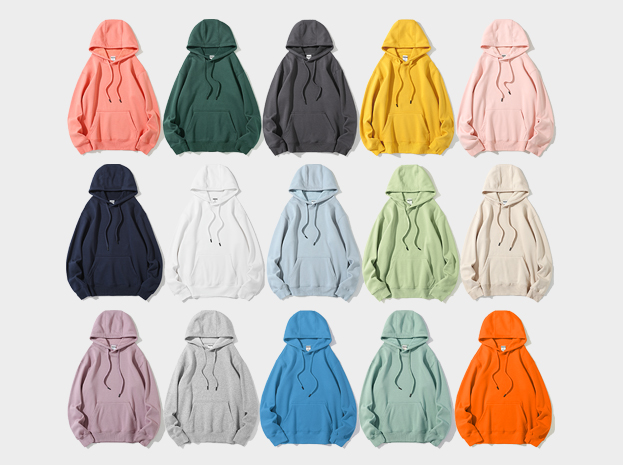
The Composition Of A Hoodie: An Overview
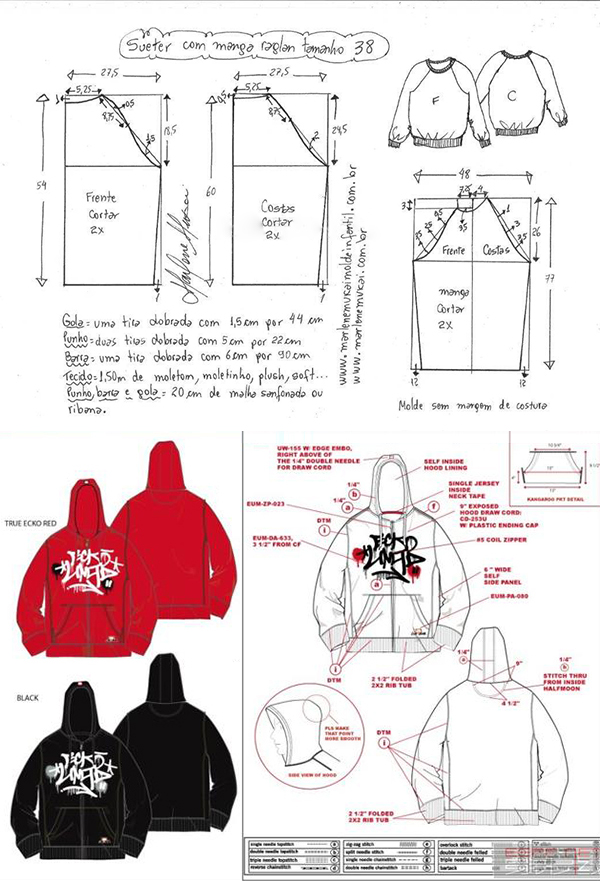
Under the title, a hoodie can be dissected into several key components that contribute to its overall structure and functionality:
1. Hood: The defining feature of a hoodie, the hood is designed to provide warmth and protection against the elements. It often includes drawstrings for adjustability.
2. Body: The main portion that covers the torso, typically made from a single piece of fabric to ensure comfort and warmth.
3. Sleeves: Usually long, providing coverage and warmth for the arms. Sleeves may feature cuffs at the wrists to secure the fit and retain heat.
4. Cuffs: Elastic bands at the end of the sleeves and sometimes at the hoodie's hem to provide a snug fit and prevent cold air from entering.
5. Hem: The bottom edge of the hoodie, which can be elasticized to fit snugly around the waist.
6. Pockets: Most hoodies feature a large front pocket, also known as a kangaroo pocket, which is useful for warming hands or storing small items.
7. Zipper or Pullover Style: Hoodies can be divided into two main styles based on their opening: zipper hoodies, which open at the front with a zipper, and pullover hoodies, which are worn by pulling them over the head.
8. Fabric: The material used for hoodies varies but often includes cotton, polyester, or a blend of both, chosen for their warmth, comfort, and durability.
9 . Drawstrings: Included in the hood for adjustability, allowing the wearer to tighten or loosen the hood as needed.
10. Interior Lining: Some hoodies may have an additional layer of fabric on the inside for extra warmth, often made from a soft, insulating material like fleece.
Each component plays a crucial role in the hoodie's design, offering a blend of comfort, practicality, and style.
Why choose Hongfeng Clothing ?

Flexible MOQs
Tailor your inventory to market
demands with our adaptable MOos,
perfect for businesses of any size and
project scope.

Rapid Turnaround
Our proficiency ensures rapid turnaround, For fast fashion brands, our sample production takes only 3-5 days, and bulk production takes only
15-30 days.

Competitive Pricing
We deliver exceptional quality clothing at competitive prices, listing detailed costs for each part in the quotation sheet to ensure value for every dollar spent.

Tailored OEM/ODM
Services
Leverage our 13 years of expertise for customized OEM/ODM solutions, crafted by a dedicated 20-member design team to perfectly align with your brand vision.

Exceptional
Customer Service
At Hongfeng Clothing, expect fast,
Personalized response to all queries;
Ensure a seamless experience from
here From design to delivery.

Uncompromised
Quality Assurance
Quality is our tradition. With rigorous
processes paralleling top brands,
we deliver unwavering quality assurance
for every piece
Essential Fabrics For Hoodie
Selecting the right fabrics is crucial for manufacturing high-quality hoodies that offer warmth, comfort, and durability. At Modaknits, we use a variety of premium materials
to ensure our hoodies meet the highest standards. Here are six essential fabrics we commonly use:

- Features: Soft, warm, and insulating with a brushed interior.
- Benefits: Provides excellent warmth and comfort, making it ideal for cooler weather. Cotton fleece is also breathable and hypoallergenic, ensuring a cozy feel against the skin.
- Common Uses: Casual hoodies, loungewear, and activewear.
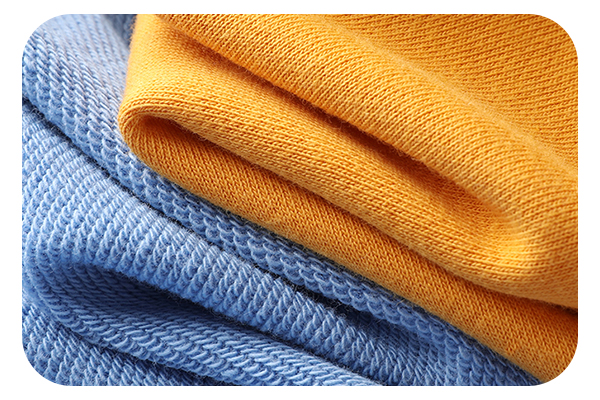
- Features: Lightweight, absorbent, and breathable with looped texture on one side.
- Benefits: Offers a comfortable and casual feel, perfect for layering and transitional weather. French terry is known for its durability and ability to wick moisture away from the body.
- Common Uses: Lightweight hoodies, summer hoodies, and athleisure wear.

- Features: Combines the softness of cotton with the durability and moisture-wicking properties of polyester.
- Benefits: This blend provides a balanced fabric that is comfortable, durable, and easy to care for. It is less prone to shrinking and wrinkling compared to pure.
- Common Uses: Everyday hoodies, sports hoodies, and casual wear.

- Features: Grown without synthetic pesticides or fertilizers, maintaining the natural softness of cotton.
- Benefits: Environmentally friendly and sustainable, organic cotton is gentle on the skin and offers the same comfort and breathability as regular cotton.
- Common Uses: Eco-friendly hoodies, sustainable fashion lines, and premium casual wear.

- Features: Made from recycled plastic bottles and other post-consumer waste.
-Benefits: Environmentally friendly, reducing waste and conserving resources. Recycled polyester offers durability, moisture-wicking properties, and a comfortable fit.
-Common Uses: Performance hoodies, eco-conscious apparel, and outdoor wear.

- Features: Combines wool with synthetic fibers for added strength and flexibility.
- Benefits: Wool blends provide excellent insulation and moisture management while being softer and more comfortable than pure wool. These blends are durable and less prone to pilling.
- Common Uses: Premium hoodies, winter wear, and outdoor adventure clothing.
Types Of Hoodies Categorized By Personal Preferences
Based on the title, hoodies can be divided into several categories that cater to individual tastes, comfort needs, and stylistic choices. Here are some tailored types:
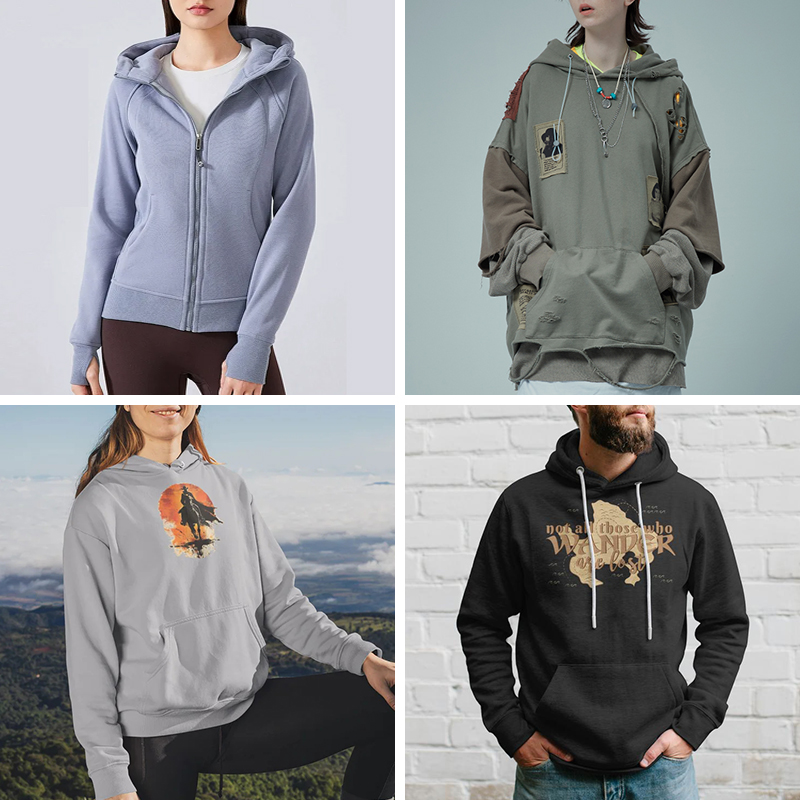
Classic Pullover Hoodies
Preferred for their simplicity and ease of wear, perfect for those who appreciate timeless designs.
Zip-Up Hoodies
Favored by individuals looking for versatility and convenience, allowing for easy temperature regulation.
Graphic Hoodies
Chosen by those who want to express themselves through bold prints, logos, and designs that reflect personal interests or affiliations.
Oversized Hoodies
Selected for ultimate comfort and a relaxed, streetwear-inspired look, ideal for a laid- back style enthusiast.
Performance Hoodies
Designed for the active wearer, featuring moisture-wicking fabrics and breathable materials for athletes or fitness buffs.
Eco-Friendly Hoodies
For the environmentally conscious, made from organic or recycled materials that minimize environmental impact.


Luxury Designer Hoodies
Catering to fashion-forward individuals seeking premium fabrics, exclusive designs, and brand recognition.
Techwear Hoodies
Equipped with functional features like waterproof fabrics and multiple pockets for the tech-savvy and practical-minded.
Minimalist Hoodies
Clean, unadorned styles preferred by those who lean towards understated elegance and simplicity.
Heavyweight Hoodies
Thick, warm options for those in colder climates or seeking extra warmth and durability.
Each category reflects different personal preferences, showcasing how the versatile hoodie can be adapted to suit a wide range of individual needs and stylistic expressions.
Types Of Hoodies Categorized By Intended Use
Based on the title, hoodies can be segmented into various types designed for specific purposes, catering to diverse needs and activities:
Casual Wear Hoodies
Ideal for everyday use, offering comfort and ease for casual outings or lounging at home.
Athletic Hoodies
Engineered for physical activity, these hoodies feature moisture-wicking fabrics and breathable designs suitable for sports or workouts.
Outdoor Hoodies
Designed for outdoor adventures, including features like wind and water resistance for hiking, camping, or other outdoor activities.
Fashion Hoodies
Focus on style and trends, often featuring unique designs, luxury materials, and collaboration pieces for fashion-conscious individuals.
Workwear Hoodies
Built for durability and functionality, with reinforced stitching and practical features like spacious pockets for those in trades or manual labor.
Travel Hoodies
Incorporate travel-friendly features such as hidden pockets for passports and valuables, lightweight materials, and compact designs.

Eco-Friendly Hoodies
Made with sustainable practices and materials, targeting environmentally conscious consumers looking to reduce their carbon footprint.
Tech Hoodies
Integrated with technological features like earphone holders, conductive fibers for touchscreen use, or even built-in heating elements for tech enthusiasts.
Loungewear Hoodies
Prioritize maximum comfort and softness, perfect for relaxing days spent at home.
Layering Hoodies
Designed with layering in mind, these hoodies are thinner and fit snugly under other outerwear without adding bulk.
Each category reflects how hoodies have evolved to serve more than just basic needs, now accommodating a wide array of lifestyles, activities, and fashion preferences.
Types Of Hoodies Categorized By Desired Look
Based on the title, hoodies can be segmented into several styles, each catering to different aesthetic goals and personal styles:
Streetwear Hoodies
Characterized by bold designs, oversized fits, and vibrant graphics. Ideal for those aiming for a trendy, urban look.
Minimalist Hoodies
Featuring simple, clean lines without graphics or logos. Perfect for individuals who prefer a sleek, understated style.
Athleisure Hoodies
Combines the comfort of athletic wear with the style of casual clothing. These are usually fitted, made with performance materials, and suit a sporty, on-the go lifestyle.
Vintage or Retro Hoodies
Offers a throwback style with distressed fabrics, classic logos, and designs from past decades. Great for those seeking a nostalgic or unique appearance.
Designer Hoodies
High-end options from well-known designers, featuring premium materials, unique cuts, and fashionable detailing for a luxurious look.


Techwear Hoodies
Focuses on functional materials and futuristic designs, offering a sleek, modern aesthetic with practical features like waterproofing and multiple pockets.
Eco-Friendly Hoodies
Made from organic or recycled materials, these hoodies not only look good but also convey an environmentally conscious image.
Casual Comfort Hoodies
Prioritizes comfort with a relaxed fit, soft materials, and a cozy feel, perfect for a laid-back, effortless look.
Bold Graphic Hoodies
Features loud prints, colorful designs, and attention-grabbing graphics for those looking to make a statement.
Layering Hoodies
Slimmer fit hoodies designed to be worn under jackets or coats, complementing a more complex, layered outfit.
Each of these hoodie types allows wearers to express their individuality and achieve a specific look, whether they're dress
The Process Of Clothing Production
It is well-known that inquiries regarding the design and production of various types of clothing can be extensive. Addressing these effectively requires
focusing on more specific questions or topics.

Design Phase
Pattern Design
In this stage, the designer creates or selects a pattern, which can be a digital pattern, illustration, text, abstract art, etc.
Color selection
Determine the color scheme of the pattern, taking into account the brightness, coordination and market trends of the color.
Layout Design
Place the pattern in the appropriate location on the hoodie, taking into account the shape and size of the garment.
Brands Logo & Packaging Options
This stage involves selecting and customizing logos and packaging materials that best represent the brand's identity and appeal to target consumers.
It's best if clients can directly send us the technical package.
Production Stage
Lead Times
After the design phase, we provide lead times for samples and bulk production, depending on design complexity and order quantity.
Fabric Preparation
This involves selecting the appropriate fabrics, inspecting them for quality, and preparing them for cutting and sewing
Printing or embroidery
Depending on the design, the printing or embroidery process is performed on the embroidery. fabric, which can use methods such as screen printing, digital printing, or machine
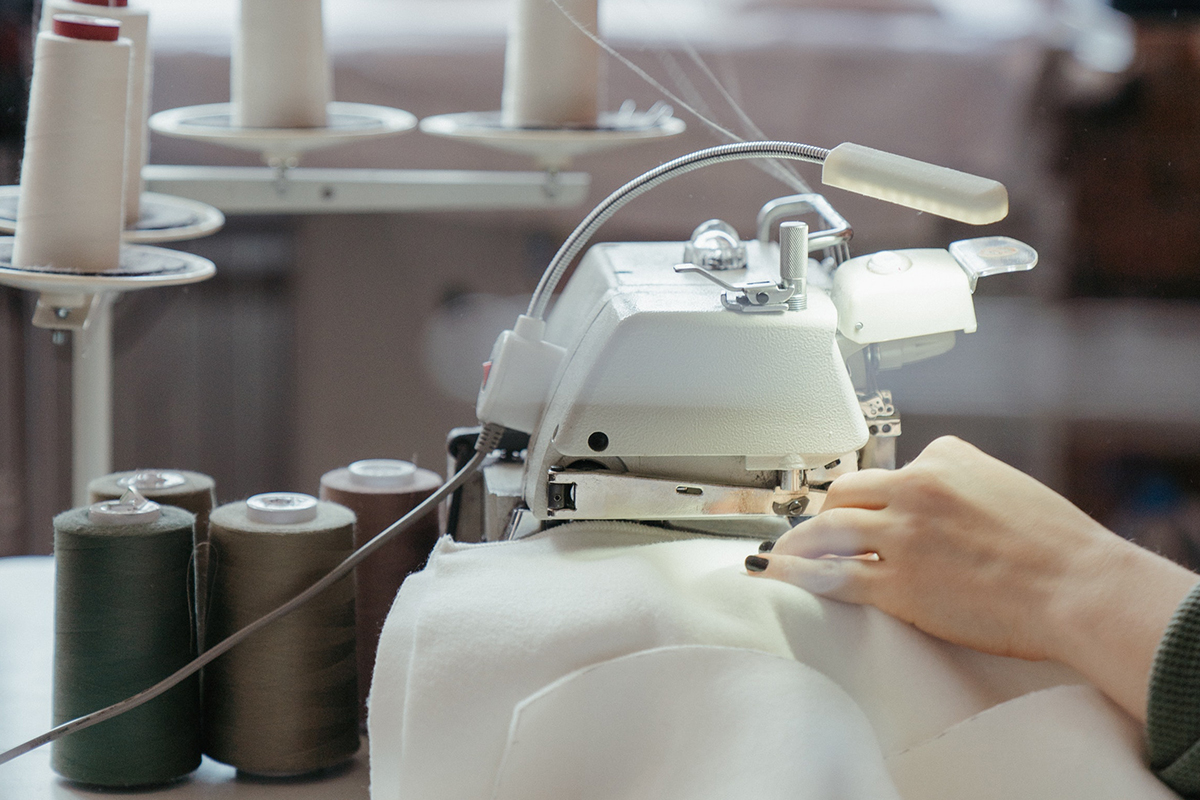
Cut and sew
This process involves precisely cutting fabric pieces according to patterns and then sewing them together to create the final garment.

Quality Inspection & Packaging Stages
Quality Control
Quality Control (QC) ensures that garments meet specified standards by inspecting materials, production processes, and finished products for defects and consistency.
Wash and organize
In the Wash and Organize stage, garments are washed to remove residues and ensure cleanliness. Afterward, they are organized, quality inspected, and prepared for final packaging and shipment.
Labels and Branding
In the Labels and Branding stage, garments are tagged with care labels, size tags, and brand logos to ensure brand identity and compliance with standards. Packaging During the
Packaging
stage, garments are carefully folded, packed, and labeled for shipping. Additionally, the packed garments are placed into custom logoed boxes.

Shipping Stage
Shipping Incoterms
The most common international trade terms include FOB, CIF , DDP, EXW, FCA, DAP .These terms help define the responsibilities and risks for both buyers and sellers in international trade.
Sea Freight
This is the cheapest but slowest shipping method, taking 15-40 days from China to your destination port. We will choose LCL or FCL based on your goods' volume.l
Air Freight
This is the fastest shipping method, taking only 2-5 days from China to your destination airport. For goods over 500 kg, it is more cost-effective than international courier.
Railway Freight
We can ship goods to countries along the New Eurasian Land Bridge with FCL or LCL. Railway express takes half the time of sea freight and is much cheaper than air freight.
The Hoodie Vs The Sweatshirt

Hoodies and sweatshirts, originating from athletic wear, have become essential in casual fashion, known for their comfort and versatility. Made from materials like cotton, they provide warmth and are perfect for layering in cooler weather. Both adapt to a variety of styles with their relaxed fit, promoting personal expression with different designs and colors.
The main difference is in their design; hoodies feature a hood for extra warmth and often come with a front pocket for functionality, giving them a casual, sporty edge. Adjustable drawstrings enhance their adaptability, making hoodies suitable for both leisure and sports.
Sweatshirts, however, offer a simpler look without a hood, leading to a more streamlined, classic silhouette that can be dressed up or down. This versatility makes sweatshirts appropriate for a broader array of settings, from casual to semi-casual. The choice between a hoodie and a sweatshirt ultimately hinges on personal preference and the intended occasion, despite their shared functionality.
Environmental Protection And Sustainability
We are committed to contributing to environmental protection and sustainability.

Eco-Friendly Materials
—Organic Cotton
Organic cotton is eco-friendly, reducing harmful chemicals and promoting soil health.
—Recycled Polyester Fiber
Recycled polyester fiber minimizes plastic waste, promoting sustainability through material reuse.
—Bamboo Fiber
Bamboo fiber is renewable and low-water-consuming, with natural antibacterial properties.
Green Manufacturing
We use energy-efficient production equipment, such as low- energy sewing machines and automated production lines.
With low-energy dyeing techniques and eco-friendly dyes, our dyeing process is greener and more environmentally friendly.

READY TO START
The best clothing manufacturer that produces higher standards and moredurability
Frequently Asked Questions
Here are some of the most common questions we receive about our T-shirt manufacturing process, providing insights into our methods, materials, and customization options.
What Are Your Minimum Order Quantity (MOQ)?
General Orders: The minimum order quantity for all designs per order
starts at 100 pieces.
Color Variations: For each design, the minimum order quantity per color
ranges from 50 to 100 pieces.
What Is Your Quality Control Process?
Initial Inspection: Once the production sample is approved by the client,
we verify and inspect all fabrics and accessories. Only after they meet our
standards do we proceed to mass production.
Mid-Production Inspection: Approximately one week into production,
our QC team conducts a mid-production quality check to ensure
everything is on track.
Final Inspection: When 80% of the production is complete, including
80% of packaging and boxing, we perform a final inspection. We
examine 30-40% of the order according to AQ2.5L standards.
What Is Your Monthly Order Volume?
What Do I Need To Get Started?
Can You Customize The T-Shirt Designs According To Specific Brand Requirements?
What Printing And Decoration Options Do You Offer For T-Shirts?
Do You Offer Custom Washing, Dyeing, And Other Treatments?
What Is Your Returns And Refunds Policy?
CERTIFICATIONS
MODAKNITS Repsects Quality Standards