T-Shirt
Since 2011, dongguanhongfeng in Guangdong has specialized in T-Shirts, blending craftsmanship and technology for the modern market. We prioritize eco-friendly materials
and sustainability, ensuring our T-shirts are durable, soft, and environmentally responsible. Our commitment to quality and innovation reflects our dedication to excellence.
our 13-year expertise guides our T-shirt designs, blending tradition with innovation. Each T-shirt is a canvas for expression, crafted for comfort, durability, and trendiness.
We focus on quality fabrics and precise fits, ensuring our T-shirts meet diverse tastes and occasions. With hongfengfushi, you embrace fashion crafted with passion. The
T-Shirt has transitioned from undergarment to a quintessential element of casual wear, embodying comfort, self-expression, and versatility.
Get Started →



Request A Quote For More Details
We are happy to answer any questions you may have about our products and company
All You Need To Know About T-Shirt
T-shirts are designed with a seamless body, short sleeves, and a ribbed round neck, primarily using breathable cotton or blends. This structure ensures comfort and flexibility, making T-shirts a casual wear favorite. The design's simplicity also allows for easy customization with styles and prints. The T-shirt's design offers unmatched versatility and comfort in everyday life, easily transitioning from casual to smart-casual outfits. Its breathable fabric keeps wearers comfortable, while the seamless construction and durable materials ensure longevity and ease of movement. This makes the T-shirt an indispensable item in wardrobes worldwide, celebrated for its ability to suit various occasions and reflect personal style with comfort and practicality. This article provides you with everything you need to know about T-shirts. What you'll learn includes the uses of T-shirts, its parts, how to incorporate a T-shirt into your outfits and the different styles of T-shirts. In the later end, you can check the difference between the T-shirt and the polo shirt.

All You Need To Know About T-Shirt
T-shirts are designed with a seamless body, short sleeves, and a ribbed round neck, primarily using breathable cotton or blends. This structure ensures comfort and flexibility, making T-shirts a casual wear favorite. The design's simplicity also allows for easy customization with styles and prints. The T-shirt's design offers unmatched versatility and comfort in everyday life, easily transitioning from casual to smart-casual outfits. Its breathable fabric keeps wearers comfortable, while the seamless construction and durable materials ensure longevity and ease of movement. This makes the T-shirt an indispensable item in wardrobes worldwide, celebrated for its ability to suit various occasions and reflect personal style with comfort and practicality. This article provides you with everything you need to know about T-shirts. What you'll learn includes the uses of T-shirts, its parts, how to incorporate a T-shirt into your outfits and the different styles of T-shirts. In the later end, you can check the difference between the T-shirt and the polo shirt.
The Composition Of A T-Shirt: An Overview
A t-shirt can be dissected into several key components that contribute to its overall structure and function:
Body : The main part of the T-shirt, often made from a continuous piece of fabric to minimize seams, enhancing comfort.
Sleeves: Typically short, they can be either directly sewn into the shoulder seam or set-in separately for a more defined shape.
Neckline: Usually features a ribbed round neck for stretchability and durability, but can also come in V-neck and other styles.
Hem: The bottom edge of the T-shirt, which can be straight or varied in design for stylistic purposes. Cuffs: Found at the end of the sleeves, though less common in short-sleeved Tshirts, cuffs add structure and can vary in tightness.
Shoulder Seams: Where the sleeves and body meet, these seams are crucial for defining the T-shirt's shape and fit.
Collar: Though not all T-shirts have a traditional collar, some designs may include a stand-up or decorative collar element.
Fabric: The material used, such as cotton, polyester, or blends, greatly affects the T shirt's feel, breathability, and durability.
Prints/Designs: Any graphics, patterns, or text added to the T-shirt for aesthetic or branding purposes.
Tags/Labels: Usually located inside the neck or on the side seam, providing information about the brand, size, and care instructions.
Each of these components plays a role in the T-shirt's appeal, functionality, and how it's perceived in both fashion and casual wear contexts.

Why choose Hongfeng Clothing ?

Flexible MOQs
Tailor your inventory to market
demands with our adaptable MOos,
perfect for businesses of any size and
project scope.

Rapid Turnaround
Our proficiency ensures rapid turnaround, For fast fashion brands, our sample production takes only 3-5 days, and bulk production takes only
15-30 days.

Competitive Pricing
We deliver exceptional quality clothing at competitive prices, listing detailed costs for each part in the quotation sheet to ensure value for every dollar spent.

Tailored OEM/ODM
Services
Leverage our 13 years of expertise for customized OEM/ODM solutions, crafted by a dedicated 20-member design team to perfectly align with your brand vision.

Exceptional
Customer Service
At Hongfeng Clothing, expect fast,
Personalized response to all queries;
Ensure a seamless experience from
here From design to delivery.

Uncompromised
Quality Assurance
Quality is our tradition. With rigorous
processes paralleling top brands,
we deliver unwavering quality assurance
for every piece
Essential Fabrics For T-Shirt
Choosing the right fabric is crucial for manufacturing high-quality T-shirts that offer comfort, durability, and style. At Modaknits,
we use a variety of premium materials to ensure our T-shirts meet the highest standards. Here are six essential fabrics we commonly use:

- Features: Soft, breathable, and highly absorbent.
- Benefits: Cotton provides exceptional comfort, making it ideal for everyday wear. It is also hypoallergenic and gentle on the skin, suitable for sensitive skin types.
- Common Uses: Basic T-shirts, casual wear, promotional shirts.

- Features: Smooth and softer than regular cotton.
- Benefits: Combed cotton is made by treating cotton fibers before they are spun into yarn. This process removes short strands and impurities, resulting in a stronger, smoother fabric that is less prone to fraying and pilling.
- Common Uses: Premium T-shirts, high-end fashion wear.
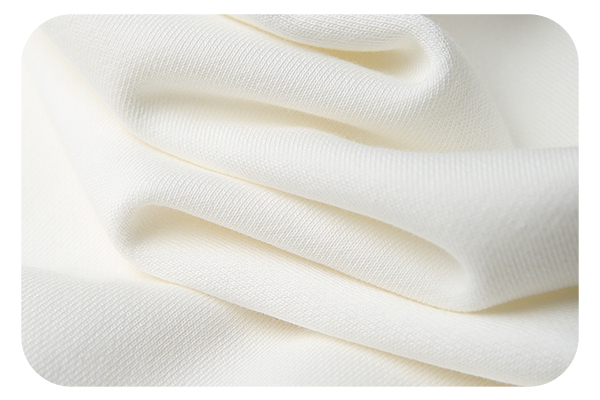
-Features: Grown without synthetic pesticides or fertilizers.
-Benefits: Organic cotton is environmentally friendly and sustainable. It retains the softness and breathability of regular cotton while being better for the planet.
-Common Uses: Eco-friendly T-shirts, sustainable fashion lines.

-Features: Durable, wrinkle-resistant, and quick-drying.
-Benefits: Polyester is excellent for activewear as it wicks
moisture away from the body, keeping the wearer dry and comfortable. It also retains its shape and color well, even after multiple washes.
-Common Uses: Athletic T-shirts, performance wear.

-Features: Combines the softness of cotton with the durability and moisture-wicking properties of polyester.
-Benefits: This blend offers the best of both worlds, providing a
comfortable, durable, and easy-to-care-for fabric. It isalso less prone to shrinking and wrinkling compared to pure cotton.
-Common Uses: Everyday T-shirts, casual wear, sportswear.

-Features: Combines cotton, polyester, and rayon for a super-soft feel.
-Benefits: Tri-blend fabrics are lightweight, incredibly soft, and offer a vintage, heathered look. The addition of rayon adds a silky texture and improves drape, making it a favorite for fashion-forward T-shirts.
-Common Uses: Fashion T-shirts, lifestyle apparel.
Types Of T-Shirts Categorized By Design
Based on the title "Types of T-Shirts Categorized by Design," T-shirts can be divided into various types
according to their design elements. Here are some common classifications:
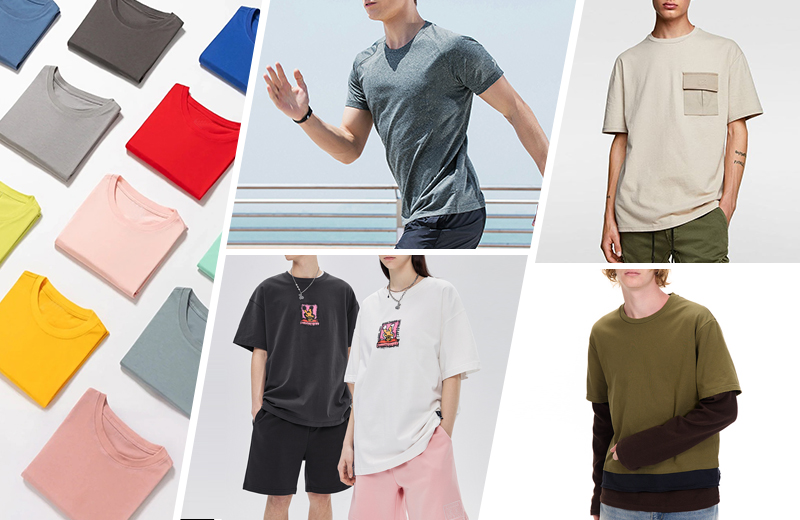
Graphic T-Shirts
Feature logos, illustrations, typography, or artwork printed on the shirt. They're a popular choice for expressing personal style or affiliations.
Plain T-Shirts
Solid color shirts without any prints or patterns. They offer versatility and can be easily paired with different clothing items for a variety of looks.
Striped T-Shirts
Include horizontal or vertical stripes. Striped T-shirts add a patterned element to an outfit without being too overwhelming.
Pocket T-Shirts
Have a small pocket on the chest. The pocket can be purely decorative or functional, adding a subtle detail to the plain tee.
Henley_T-Shirts
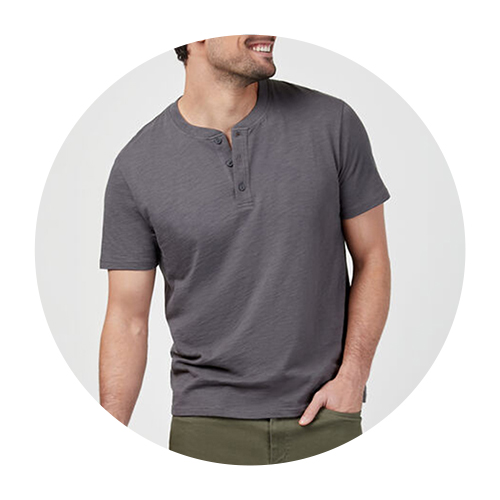
Recognized by their button placket below the neckline. Henleys blend the casualness of T-shirts with a touch of formality from the buttons.
Long Sleeve T-Shirts
Extend the sleeve length to the wrist. Ideal for cooler weather, they maintain the casual comfort of a T-shirt while providing extra warmth.
V-Neck T-Shirts
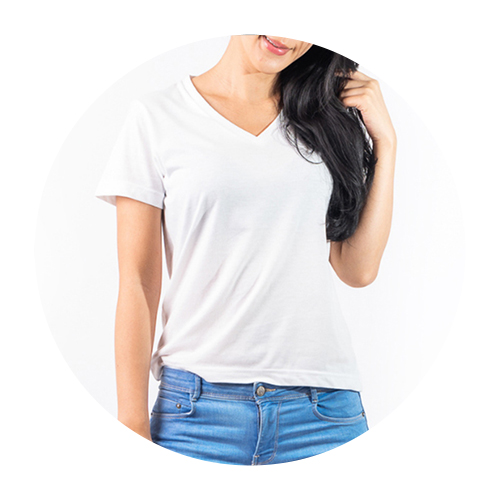
Feature a V-shaped neckline. V-necks offer a slightly more dressed-up look compared to the traditional crew neck.
Ringer T-Shirts
Characterized by contrasting colors on the collar and sleeve bands. Ringers have a retro vibe and are often used in casual, sporty looks.
Tie-Dye T-Shirts
Display colorful, patterned designs created through tie-dyeing. They are associated with creative and vibrant styles.
Performance T-Shirts
Made with technical fabrics for athletic use. These T-shirts often have moisture- wicking, breathable properties suitable for sports and exercise.
Each type brings its own unique aesthetic and functional qualities, catering to different tastes, occasions, and needs.

Types Of T-Shirts Categorized By Use

Based on the title, T-shirts can be divided into several categories reflecting their intended purpose or the settings in which they are most commonly worn. Here are some of the primary types:
Casual Wear T-Shirts
Designed for everyday use, offering comfort and ease of movement. These are typically plain, graphic, or patterned T-shirts suitable for a relaxed setting.
Fashion T-Shirts
Focus on trends and aesthetics, often featuring unique designs, cuts, and premium materials. They serve as a statement piece in an outfit.
Eco-Friendly T-Shirts
Made from organic or recycled materials, these T-shirts aim to reduce environmental impact and appeal to eco-conscious consumers.
Athletic or Performance T-Shirts
Made from moisture-wicking, breathable materials to keep the wearer dry and comfortable during physical activities. They often feature stretchable fabrics for better flexibility.
Workwear T-Shirts
Built for durability and function, these T-shirts are often part of a uniform or designed for manual labor, incorporating reinforced seams and sometimes pockets for tools.
Promotional T-Shirts
Used for advertising or branding purposes, these T-shirts bear logos, slogans, or messages to promote a company, event, or cause.
Layering T-Shirts
Designed to be worn underneath other garments, such as sweaters or jackets, for added warmth or to achieve a specific look.
Each category serves different needs and preferences, ranging from functional and practical to stylish and trend-setting, illustrating the versatility of T-shirts as a garment.
Types Of T-Shirts Categorized By Function
Based on the title, T-shirts can be divided into specific types, each designed to serve distinct purposes and functionalities. Here are some categorizations:

Moisture-Wicking T-Shirts
Engineered for athletes and active individuals, these T-shirts are made from materials that draw sweat away from the body to keep the wearer dry and comfortable during physical activities.
Thermal or Insulated T-Shirts
Designed to provide extra warmth in cooler conditions. They are typically made from thicker materials or special fabrics that trap heat.
UV-Protection T-Shirts
Made with fabrics that offer protection against harmful ultraviolet rays. Ideal for outdoor activities, especially in sunny conditions.
Anti-Microbial T-Shirts
Treated with antimicrobial agents to prevent the growth of bacteria and reduce odors. These are particularly useful for gym wear or in environments where sweat is likely. Contact Us
Compression T-Shirts
Aimed at improving performance and recovery in sports by providing targeted compression to certain muscle groups. They help in reducing muscle fatigue and speeding up recovery.
Eco-Friendly T-Shirts
Made from sustainable materials such as organic cotton, bamboo, or recycled polyester, focusing on reducing environmental impact.
Fashion T-Shirts
Focused on aesthetic appeal rather than practicality, these T-shirts come in various designs, colors, and prints to complement different styles and trends.
Safety_T-Shirts
Designed for high visibility in hazardous environments, often featuring bright colors and reflective materials. These are essential for construction workers, cyclists, and others who need to be visible for safety reasons.
Each of these types is tailored to meet specific requirements, from enhancing athletic performance and offering protection from the elements, to supporting environmental sustainability and fulfilling safety standards.

The Process Of Clothing Production
It is well-known that inquiries regarding the design and production of various types of clothing can be extensive. Addressing these effectively requires
focusing on more specific questions or topics.

Design Phase
Pattern Design
In this stage, the designer creates or selects a pattern, which can be a digital pattern, illustration, text, abstract art, etc.
Color selection
Determine the color scheme of the pattern, taking into account the brightness, coordination and market trends of the color.
Layout Design
Place the pattern in the appropriate location on the hoodie, taking into account the shape and size of the garment.
Brands Logo & Packaging Options
This stage involves selecting and customizing logos and packaging materials that best represent the brand's identity and appeal to target consumers.
It's best if clients can directly send us the technical package.
Production Stage
Lead Times
After the design phase, we provide lead times for samples and bulk production, depending on design complexity and order quantity.
Fabric Preparation
This involves selecting the appropriate fabrics, inspecting them for quality, and preparing them for cutting and sewing
Printing or embroidery
Depending on the design, the printing or embroidery process is performed on the embroidery. fabric, which can use methods such as screen printing, digital printing, or machine
Cut and sew
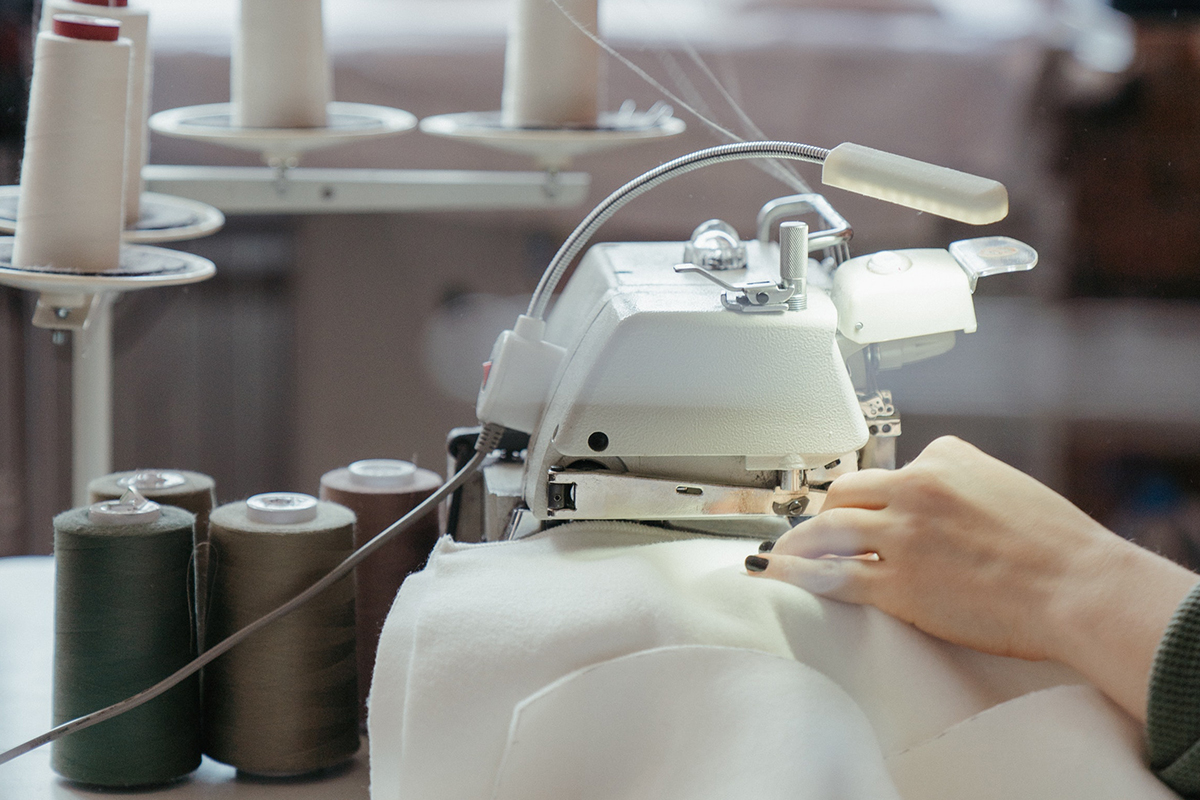
This process involves precisely cutting fabric pieces according to patterns and then sewing them together to create the final garment.

Quality Inspection & Packaging Stages
Quality Control
Quality Control (QC) ensures that garments meet specified standards by inspecting materials, production processes, and finished products for defects and consistency.
Wash and organize
In the Wash and Organize stage, garments are washed to remove residues and ensure cleanliness. Afterward, they are organized, quality inspected, and prepared for final packaging and shipment.
Labels and Branding
In the Labels and Branding stage, garments are tagged with care labels, size tags, and brand logos to ensure brand identity and compliance with standards. Packaging During the
Packaging
stage, garments are carefully folded, packed, and labeled for shipping. Additionally, the packed garments are placed into custom logoed boxes.

Shipping Stage
Shipping Incoterms
The most common international trade terms include FOB, CIF , DDP, EXW, FCA, DAP .These terms help define the responsibilities and risks for both buyers and sellers in international trade.
Sea Freight
This is the cheapest but slowest shipping method, taking 15-40 days from China to your destination port. We will choose LCL or FCL based on your goods' volume.l
Air Freight
This is the fastest shipping method, taking only 2-5 days from China to your destination airport. For goods over 500 kg, it is more cost-effective than international courier.
Railway Freight
We can ship goods to countries along the New Eurasian Land Bridge with FCL or LCL. Railway express takes half the time of sea freight and is much cheaper than air freight.
T-Shirt VS POLO Shirt

T-shirts and Polo shirts are both key pieces in casual to semi-formal attire, known for their versatility and comfort. Made from materials like cotton and polyester, both types of shirts cater to a wide audience, offering a blend of style and practicality. They serve as essential items for expressing individual style through various designs and colors.
However, T-shirts are characterized by their simplicity, featuring a round neckline and a more casual, relaxed fit. They typically come without any buttons, making them the go-to choice for casual everyday wear or as a layering piece. The simplicity of T-shirts also allows for a broader range of graphic designs and prints, making them a popular medium for artisticd expression and personal statements.
On the other hand, Polo shirts are distinguished by their collars, a few buttons down the front, and often a tighter, more structured fit. This design gives Polo shirts a more formal appearance, making them suitable for casual business environments, golf courses, and social gatherings where a smart-casual dress code is observed. The fabric of Polo shirts is usually a pique knit or a soft jersey, which adds texture and a touch of elegance, setting them apart from the more casual T-shirt.
Environmental Protection And Sustainability
We are committed to contributing to environmental protection and sustainability.

Eco-Friendly Materials
—Organic Cotton
Organic cotton is eco-friendly, reducing harmful chemicals and promoting soil health.
—Recycled Polyester Fiber
Recycled polyester fiber minimizes plastic waste, promoting sustainability through material reuse.
—Bamboo Fiber
Bamboo fiber is renewable and low-water-consuming, with natural antibacterial properties.
Green Manufacturing
We use energy-efficient production equipment, such as low- energy sewing machines and automated production lines.
With low-energy dyeing techniques and eco-friendly dyes, our dyeing process is greener and more environmentally friendly.

READY TO START
The best clothing manufacturer that produces higher standards and moredurability
Frequently Asked Questions
Here are some of the most common questions we receive about our T-shirt manufacturing process, providing insights into our methods, materials, and customization options.
What Are Your Minimum Order Quantity (MOQ)?
General Orders: The minimum order quantity for all designs per order
starts at 100 pieces.
Color Variations: For each design, the minimum order quantity per color
ranges from 50 to 100 pieces.
What Is Your Quality Control Process?
Initial Inspection: Once the production sample is approved by the client,
we verify and inspect all fabrics and accessories. Only after they meet our
standards do we proceed to mass production.
Mid-Production Inspection: Approximately one week into production,
our QC team conducts a mid-production quality check to ensure
everything is on track.
Final Inspection: When 80% of the production is complete, including
80% of packaging and boxing, we perform a final inspection. We
examine 30-40% of the order according to AQ2.5L standards.
What Is Your Monthly Order Volume?
What Do I Need To Get Started?
Can You Customize The T-Shirt Designs According To Specific Brand Requirements?
What Printing And Decoration Options Do You Offer For T-Shirts?
Do You Offer Custom Washing, Dyeing, And Other Treatments?
What Is Your Returns And Refunds Policy?
Have More Questions?
We are happy to answer any questions you may have about our products and company.
CERTIFICATIONS
MODAKNITS Repsects Quality Standards